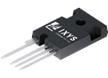

IXTQ50N20P

IXYS
747-IXTQ50N20P
IXTQ50N20P

Fabr.:

Descripción:
MOSFET 50 Amps 200V 0.06 Rds

Modelo ECAD:
Descargue el Cargador de bibliotecas gratuito para convertir este archivo para su herramienta ECAD. Obtenga más información del modelo ECAD.

En existencias: 216

Existencias:
216 Puede enviarse inmediatamente
Plazo de producción de fábrica:
26 Semanas Tiempo estimado para la producción en fábrica para cantidades superiores a las mostradas.
Mínimo: 1   Múltiples: 1
Precio unitario:
-,-- €
Precio total:
-,-- €
Tarifa estimada:

Precio (EUR)

Cant. Precio unitario
Precio total
6,67 € 6,67 €
4,46 € 44,60 €
3,59 € 430,80 €
2,92 € 1.489,20 €
2,82 € 2.876,40 €

Atributo del producto Valor del atributo Seleccionar atributo
IXYS
Categoría de producto: MOSFET
RoHS:  
Si
Through Hole
TO-3P-3
N-Channel
1 Channel
200 V
50 A
60 mOhms
- 20 V, 20 V
5 V
70 nC
- 55 C
+ 175 C
360 W
Enhancement
PolarHT
Tube
Marca: IXYS
Configuración: Single
Tiempo de caída: 30 ns
Transconductancia delantera: mín.: 12 S
Tipo de producto: MOSFETs
Tiempo de establecimiento: 35 ns
Serie: IXTQ50N20
Cantidad del paquete de fábrica: 30
Subcategoría: Transistors
Tipo de transistor: 1 N-Channel
Tiempo típico de retraso de apagado: 70 ns
Tiempo de retardo de conexión típico: 26 ns
Peso unitario: 5,500 g
Productos encontrados:
Para mostrar productos similares, seleccione al menos una casilla
Seleccione al menos una casilla para mostrar productos similares dentro de esta categoría.
Atributos seleccionados: 0

Esta funcionalidad requiere que JavaScript esté habilitado.

TARIC:
8541290000
CNHTS:
8541290000
CAHTS:
8541290000
USHTS:
8541290065
JPHTS:
8541290100
KRHTS:
8541299000
MXHTS:
85412999
ECCN:
EAR99

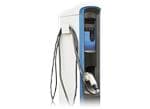
Electrical Vehicle AC Chargers

Littelfuse provides a wide range of products that are suitable for Electric Vehicle AC Chargers. Although simpler in nature compared to DC chargers, AC charging stations safely deliver AC power from the electrical grid into the vehicle. Due to space and weight constraints in the vehicle, on-board chargers and AC charging stations are typically limited to lower amounts of power (22kW or less), which means charging time is slow – taking several hours. These systems also rely on a vehicle’s on-board charger to enable the conversion of AC power from the grid into DC power to charge the vehicle’s battery. It’s critical that proper measures are taken to safeguard both the charger and vehicle.